2026-11-19 ·
How to Protect Basement Contents During Chicago Lakefront Storms
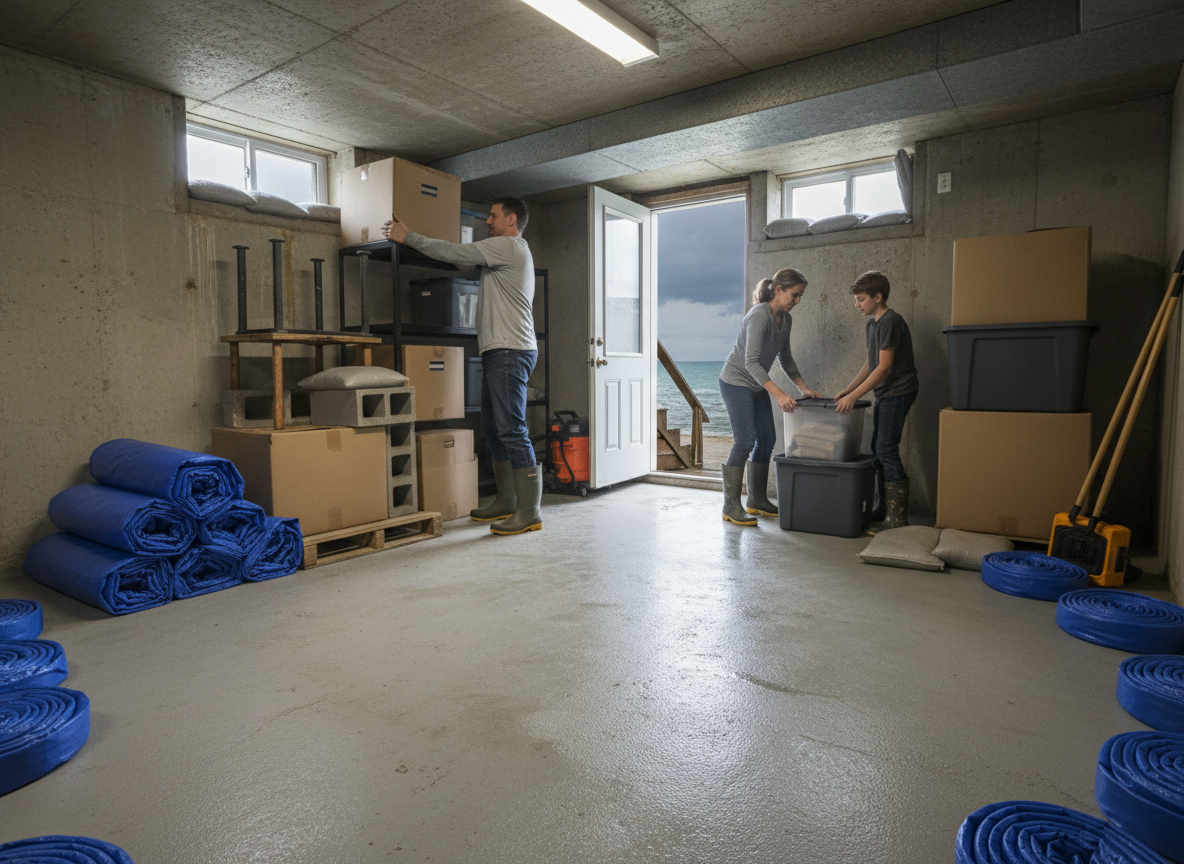
Elevate all furniture, electronics and paper goods at least 12 to 18 inches above the finished floor using plastic pallets or cinder blocks before heavy rain arrives. In Chicago's humid continental climate, summer storms can drop several inches of rain in a few hours, overwhelming combined sewers in neighborhoods such as Lincoln Park, Wicker Park and Lakeview. Older two-flats and brick bungalows with finished basements are especially prone to backups when sump pumps lose power. Starting with the highest-value or most irreplaceable items gives the best protection when time is short.
Elevating Furniture and Electronics
Place sofas, dressers and bookshelves on sturdy risers or move them to upper levels when forecasts show lake-effect storms tracking toward Cook County. Electronics such as televisions, computers and audio equipment should sit on shelves or tables at least two feet high, with power cords unplugged and wrapped in plastic. In areas like Hyde Park and Logan Square, residents often store holiday decorations and clothing in lower cabinets; shifting these to wall-mounted units or upper shelves prevents saturation. Keep a few empty five-gallon buckets on hand to prop smaller items quickly if water begins seeping under doors. These steps reduce contact time with Category 1 or 2 water and limit the chance that items will need later content pack-out.
Storing Documents and Photos in Waterproof Bins
Transfer birth certificates, tax records, family photos and digital backups into clear, gasket-sealed plastic bins rather than cardboard boxes. Label each bin on the outside with a permanent marker so contents can be identified without opening them during cleanup. Store the bins on the highest available shelves or inside metal cabinets bolted to the wall. In Bridgeport and Pilsen, where many basements have low ceilings, wall-mounted wire shelving units provide extra height without taking floor space. Avoid placing bins directly on the floor even in dry seasons, because winter pipe bursts or spring snowmelt can still reach them. This approach keeps paper goods dry long enough for an independent local contractor to arrive and assess the situation.
Documenting Contents for Insurance Claims
Photograph or video every item in place before any water arrives, noting the date and time on each image. Store the digital files on a cloud service and keep printed copies in a waterproof bin on an upper floor. When filing a claim, separate flood damage from sewer-backup losses because many policies require a separate rider for the latter. Include close-ups of labels on bins and any elevation measures already in place. This documentation helps adjusters understand what was protected and what was exposed during the storm. Readers facing repeated issues in Rogers Park or Andersonville often review the article on typical timeline for drying out after Chicago flooding to plan follow-up steps.
Moving Items During Active Storms
When water is already entering, focus first on items that cannot be replaced, such as photo albums and hard drives, then move clothing and furniture only if safe to do so. Wear rubber boots and avoid contact with water that may contain sewage from overloaded combined sewers. Carry items up stairs rather than through standing water to prevent spreading contamination. Once the immediate threat passes, contact the referral line to be connected with an independent local contractor who can evaluate remaining moisture and determine whether storm damage cleanup is needed for affected contents.
If your basement has already taken on water, call (773) 487-8637 to be connected with an independent local contractor.